
專注綠色建筑裝飾材料
經(jīng)營管理理念:讓客戶用的放心!
24小時(shí)服務(wù)熱線:
13864111871
專注綠色建筑裝飾材料
經(jīng)營管理理念:讓客戶用的放心!
24小時(shí)服務(wù)熱線:
13864111871
濟(jì)南福華建材廠
聯(lián)系人:吳老師
電話:
手機(jī):13864111871
0531-81901300
地址:山東省濟(jì)南市高新開發(fā)區(qū)巨野河辦事處山圈村西
輕質(zhì)石膏粉的強(qiáng)度指標(biāo)包括哪些?
來源:http://m.cnlifelk.cn 日期:2026-05-18 發(fā)布人:
在建筑材料應(yīng)用中,輕質(zhì)石膏粉的強(qiáng)度直接關(guān)系到建筑構(gòu)件的穩(wěn)定性與使用壽命,明確其強(qiáng)度指標(biāo)及檢測方法,是確保工程質(zhì)量的關(guān)鍵環(huán)節(jié)。輕質(zhì)石膏粉的強(qiáng)度指標(biāo)并非單一維度,而是由抗壓強(qiáng)度、抗折強(qiáng)度兩大核心指標(biāo)構(gòu)成,部分場景下還需參考粘結(jié)強(qiáng)度,不同指標(biāo)的檢測需遵循規(guī)范流程,以保證數(shù)據(jù)的準(zhǔn)確性與可靠性。
In the application of building materials, the strength of lightweight gypsum powder is directly related to the stability and service life of building components. Clarifying its strength indicators and testing methods is a key link in ensuring project quality. The strength index of lightweight gypsum powder is not a single dimension, but consists of two core indicators: compressive strength and flexural strength. In some scenarios, reference should also be made to bonding strength. The testing of different indicators should follow standardized procedures to ensure the accuracy and reliability of the data.
從核心強(qiáng)度指標(biāo)來看,抗壓強(qiáng)度是衡量輕質(zhì)石膏粉承受壓力能力的關(guān)鍵參數(shù),直接影響其在墻面抹灰、石膏板等應(yīng)用場景中的承載性能。通常情況下,輕質(zhì)石膏粉的抗壓強(qiáng)度需符合行業(yè)標(biāo)準(zhǔn)要求,例如用于室內(nèi)墻面抹灰的產(chǎn)品,28 天抗壓強(qiáng)度一般不低于 2.5MPa;而用于制作輕質(zhì)石膏砌塊的產(chǎn)品,抗壓強(qiáng)度要求更高,通常需達(dá)到 3.5MPa 以上。抗折強(qiáng)度則反映了材料抵抗彎曲破壞的能力,尤其在石膏板安裝、吊頂施工中,抗折強(qiáng)度不足易導(dǎo)致材料開裂或斷裂,常見的 28 天抗折強(qiáng)度標(biāo)準(zhǔn)多在 1.0-1.5MPa 之間。此外,粘結(jié)強(qiáng)度在墻面抹灰施工中尤為重要,指輕質(zhì)石膏粉與基層墻體的粘結(jié)能力,若粘結(jié)強(qiáng)度過低,易出現(xiàn)抹灰層空鼓、脫落等問題,標(biāo)準(zhǔn)要求通常不低于 0.3MPa。
From the perspective of core strength indicators, compressive strength is a key parameter for measuring the pressure bearing capacity of lightweight gypsum powder, which directly affects its load-bearing performance in application scenarios such as wall plastering and gypsum board. Under normal circumstances, the compressive strength of lightweight gypsum powder needs to meet industry standards. For example, products used for indoor wall plastering generally have a compressive strength of no less than 2.5 MPa after 28 days; Products used for making lightweight gypsum blocks require higher compressive strength, typically exceeding 3.5 MPa. The flexural strength reflects the ability of a material to resist bending damage, especially in gypsum board installation and ceiling construction. Insufficient flexural strength can easily lead to material cracking or fracture. The common 28 day flexural strength standard is mostly between 1.0-1.5MPa. In addition, bonding strength is particularly important in wall plastering construction, referring to the bonding ability between lightweight gypsum powder and the base wall. If the bonding strength is too low, problems such as hollowing and peeling of the plastering layer may occur. The standard requirement is usually not less than 0.3MPa.
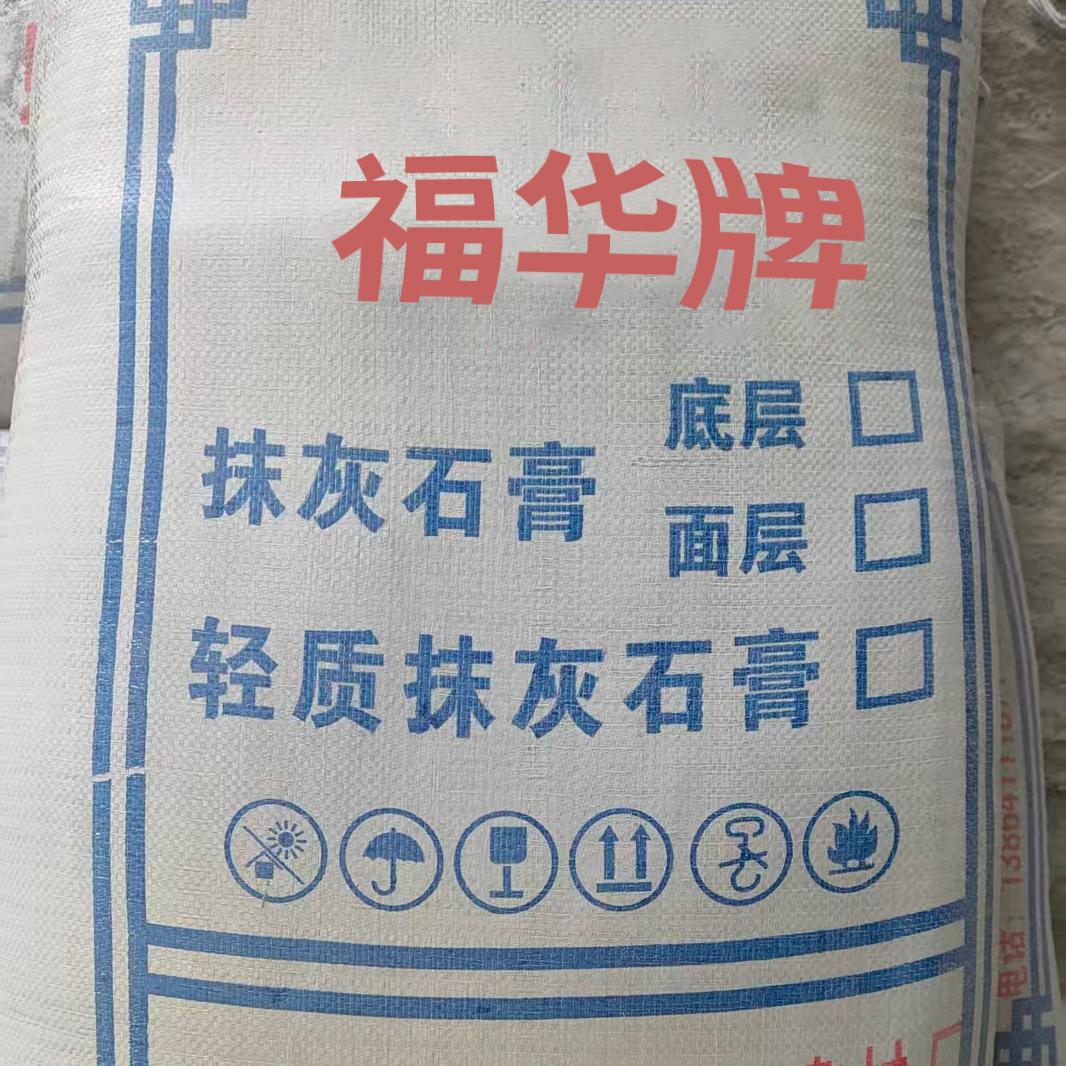
在檢測方法上,需嚴(yán)格遵循《建筑石膏》(GB/T 9776-2008)等國家標(biāo)準(zhǔn),確保檢測流程規(guī)范。以抗壓強(qiáng)度和抗折強(qiáng)度檢測為例,首先需制備標(biāo)準(zhǔn)試件:將輕質(zhì)石膏粉按規(guī)定水灰比加水?dāng)嚢璩删鶆驖{體,倒入 40mm×40mm×160mm 的三聯(lián)試模中,振搗密實(shí)后置于溫度(20±2)℃、相對(duì)濕度(60±5)% 的標(biāo)準(zhǔn)養(yǎng)護(hù)環(huán)境中,養(yǎng)護(hù)至規(guī)定齡期(通常為 7 天或 28 天)。養(yǎng)護(hù)完成后,先進(jìn)行抗折強(qiáng)度檢測,將試件放置在抗折試驗(yàn)機(jī)的支撐臺(tái)上,以(50±10)N/s 的加載速度施加壓力,直至試件斷裂,記錄最大荷載值,通過公式計(jì)算抗折強(qiáng)度(抗折強(qiáng)度 = 3FL/(2bh2),其中 F 為破壞荷載,L 為支撐跨度,b、h 分別為試件截面寬度與高度)。抗折試驗(yàn)結(jié)束后,將斷裂后的試件用于抗壓強(qiáng)度檢測,將試件放入抗壓試驗(yàn)機(jī)的壓板中心,以(200±20)N/s 的速度均勻加載,直至試件破壞,記錄最大荷載值,按公式計(jì)算抗壓強(qiáng)度(抗壓強(qiáng)度 = F/(bh),F(xiàn) 為破壞荷載,b、h 為試件截面尺寸)。
In terms of testing methods, it is necessary to strictly follow national standards such as "Building Gypsum" (GB/T 9776-2008) to ensure a standardized testing process. Taking compressive strength and flexural strength testing as an example, standard specimens need to be prepared first: lightweight gypsum powder is mixed with water according to the specified water cement ratio to form a uniform slurry, poured into a 40mm × 40mm × 160mm triple test mold, vibrated and compacted, and placed in a standard curing environment with a temperature of (20 ± 2) ℃ and a relative humidity of (60 ± 5)%, and cured until the specified age (usually 7 or 28 days). After the maintenance is completed, the flexural strength test is carried out first. The specimen is placed on the support platform of the flexural testing machine, and pressure is applied at a loading speed of (50 ± 10) N/s until the specimen fractures. The maximum load value is recorded, and the flexural strength is calculated using the formula (flexural strength=3FL/(2bh2), where F is the failure load, L is the support span, and b and h are the width and height of the specimen section, respectively). After the flexural test is completed, the fractured specimen is used for compressive strength testing. The specimen is placed in the center of the compression plate of the compression testing machine and uniformly loaded at a speed of (200 ± 20) N/s until the specimen fails. The maximum load value is recorded, and the compressive strength is calculated according to the formula (compressive strength=F/(bh), where F is the failure load and b and h are the cross-sectional dimensions of the specimen).
粘結(jié)強(qiáng)度的檢測則需模擬實(shí)際施工場景制備試件,通常采用 “8” 字形試模或基層墻體試塊。以基層墻體試塊為例,先選取與實(shí)際施工一致的基層材料(如混凝土、加氣混凝土砌塊),切割成 100mm×100mm×50mm 的試塊,將輕質(zhì)石膏粉漿體涂抹在試塊表面,形成厚度為 10-15mm 的抹灰層,養(yǎng)護(hù)至規(guī)定齡期后,使用粘結(jié)強(qiáng)度檢測儀,通過拉拔方式施加拉力,直至抹灰層與基層分離,記錄最大拉力值,按公式計(jì)算粘結(jié)強(qiáng)度(粘結(jié)強(qiáng)度 = F/S,F(xiàn) 為破壞拉力,S 為粘結(jié)面積)。
The testing of bonding strength requires simulating actual construction scenarios to prepare test specimens, usually using "8" shaped test molds or base wall test blocks. Taking the base wall test block as an example, first select the base material that is consistent with the actual construction (such as concrete, aerated concrete blocks), cut it into 100mm × 100mm × 50mm test blocks, apply lightweight gypsum powder slurry on the surface of the test block to form a plastering layer with a thickness of 10-15mm, cure it to the specified age, use a bonding strength tester to apply tension through pulling until the plastering layer separates from the base layer, record the maximum tension value, and calculate the bonding strength according to the formula (bonding strength=F/S, F is the breaking tension, S is the bonding area).
本文由濟(jì)南抹面砂漿提供幫助,更多的相關(guān)內(nèi)容請(qǐng)點(diǎn)擊:http://m.cnlifelk.cn希望本文能夠?yàn)槟鷰韼椭兄x您的閱讀!
This article is assisted by Jinan plaster mortar. For more related content, please click: http://m.cnlifelk.cn I hope this article can be helpful to you. Thank you for reading!

手機(jī)站

關(guān)注微信公眾號(hào)
 主站蜘蛛池模板:
黄又色又污又爽又高潮|
东京热无码国产精品|
人妻字幕|
精品无人区无码乱码毛片国产|
亚洲精品久久久久国色天香|
成人免费视频深夜视频在线看网站
|
国内外无码视频|
极品美女一区二区三区|
国产精品一级av一区二区|
国产一区二区丝袜高跟鞋|
国产少妇在线|
亚洲日韩一区二区三区|
萝北县|
乱中年女人伦av三区|
国产成人啪精品视频网站|
一本色道久久爱88av|
精品V精品V|
啪啪av一区二区三区|
被窝的午夜无码福利专区|
亚洲综合黄色的在线观看|
久久久久久av|
亚洲伊人久久精品影院|
日韩av二区三区一区|
无码成人一区二区三区|
午夜tv视频免费国产区4|
少妇爆乳无码专区av无码|
久久精品人人做人人爽97|
亚洲AV日韩AV天堂一区二区三区|
99久久久成人国产精品免费|
久草免费av|
五月综合色婷婷在线观看|
久久精品久久精品中文字幕|
日韩不卡高清视频|
无遮无挡三级动态图|
亚洲熟妇无码成人A片|
一本久道久久综合婷婷五月|
亚洲国产综合有精品|
久久久久国产精品无码免费看|
制服丝袜美腿一区二区|
亚洲国产日韩精品乱码教育|
蜜桃秘?av一区二区三区安全|
主站蜘蛛池模板:
黄又色又污又爽又高潮|
东京热无码国产精品|
人妻字幕|
精品无人区无码乱码毛片国产|
亚洲精品久久久久国色天香|
成人免费视频深夜视频在线看网站
|
国内外无码视频|
极品美女一区二区三区|
国产精品一级av一区二区|
国产一区二区丝袜高跟鞋|
国产少妇在线|
亚洲日韩一区二区三区|
萝北县|
乱中年女人伦av三区|
国产成人啪精品视频网站|
一本色道久久爱88av|
精品V精品V|
啪啪av一区二区三区|
被窝的午夜无码福利专区|
亚洲综合黄色的在线观看|
久久久久久av|
亚洲伊人久久精品影院|
日韩av二区三区一区|
无码成人一区二区三区|
午夜tv视频免费国产区4|
少妇爆乳无码专区av无码|
久久精品人人做人人爽97|
亚洲AV日韩AV天堂一区二区三区|
99久久久成人国产精品免费|
久草免费av|
五月综合色婷婷在线观看|
久久精品久久精品中文字幕|
日韩不卡高清视频|
无遮无挡三级动态图|
亚洲熟妇无码成人A片|
一本久道久久综合婷婷五月|
亚洲国产综合有精品|
久久久久国产精品无码免费看|
制服丝袜美腿一区二区|
亚洲国产日韩精品乱码教育|
蜜桃秘?av一区二区三区安全|
 魯公網(wǎng)安備